
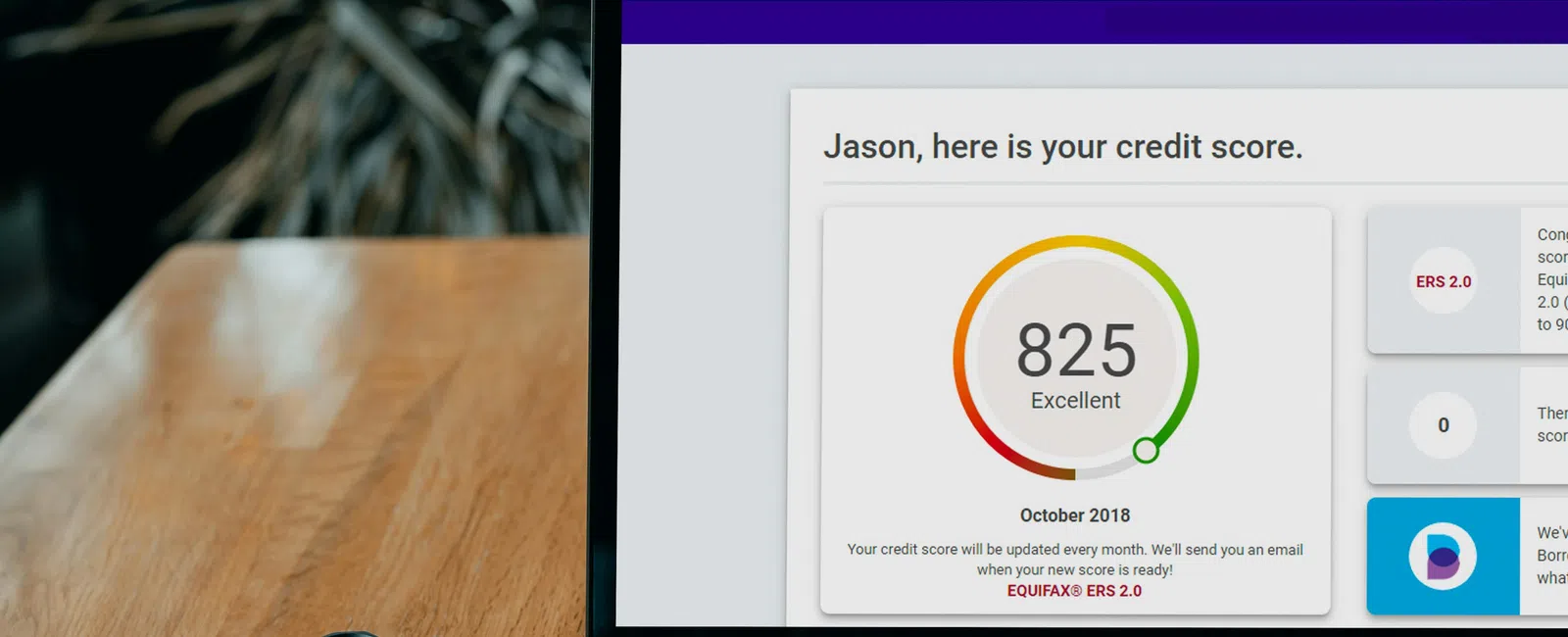
A mortgage credit check affects your credit score only when the lender runs a hard inquiry, and even then, the typical drop is small, usually fewer than five points, and temporary. Soft credit checks, which lenders use for prequalification and early rate estimates, do not affect your score at all. And because credit scoring models bundle all mortgage-related hard inquiries made within a short shopping window into a single inquiry, you can compare offers from several lenders without stacking up damage to your credit.
That last point is where most of the fear around mortgage credit checks comes from, and it is usually misplaced. The scoring system was built to let you shop for a home loan the same way you would shop for anything else this expensive. Here is exactly how a mortgage credit check works, how much it really costs your score, and how to protect your credit from the moment you start looking until the day you close.
Soft Credit Pulls vs. Hard Credit Pulls
Every credit check falls into one of two categories, and the difference decides whether your score moves at all. A soft pull, sometimes called a soft inquiry, is a review of your credit that does not affect your score. A hard pull, or hard inquiry, is a formal request tied to a credit application, and it is the only kind that can lower your score.
When a Soft Pull Happens
Soft inquiries happen when you check your own credit, when a lender prequalifies you, or when a company screens you for a preapproved offer. These reviews give a lender enough information to estimate what you might qualify for without committing you to anything. If you want to see loan options and ballpark rates early, a prequalification based on a soft pull lets you do it with zero impact on your score. Checking your own credit report before you apply is also a soft inquiry, so reviewing your file as often as you like never costs you a point.
When a Hard Pull Happens
A hard inquiry occurs when you formally apply to a lender and authorize it to pull your full credit report to make a lending decision. Mortgage preapproval, the kind that carries weight with sellers, requires a hard pull. So does the final underwriting review. A hard inquiry is when a lender takes a complete look at your credit history to decide whether to lend you a large sum of money, and that thoroughness is exactly what produces a strong preapproval letter.
How Much a Mortgage Credit Check Actually Lowers Your Score
For most borrowers, a single mortgage hard inquiry takes fewer than five points off a FICO score. That is the figure Fair Isaac, the company behind the FICO score, points to directly. New credit inquiries make up only about 10 percent of your total score, which is why the movement is so minor compared with the factors that really drive your number, like payment history and how much of your available credit you are using.
The size of the dip also depends on your starting point. A borrower with a long, clean credit history will barely notice an inquiry, while someone with a thin file or a lower score may see a slightly larger drop. Either way, the effect is modest, and it does not last.
How Long Does the Impact Last
A hard inquiry stays visible on your credit report for two years, but the scoring models only factor it into your score for about 12 months. In practice, the small dip fades within a few months as you continue making payments on time. By the time you are a year into your mortgage, the inquiry has stopped affecting your score entirely, even though it remains on the report.
The Rate-Shopping Window That Protects You
Here is the part that should erase most of the worry about shopping around. Credit scoring models give special treatment to mortgage, auto, and student loan inquiries because they know you might apply with several lenders to find the best deal. Multiple mortgage inquiries that fall inside a defined shopping window get counted as a single inquiry.
The length of that window depends on the scoring model. Newer FICO versions use a 45-day window, while older FICO models and some VantageScore versions use a tighter 14-day window. Inside that window, you could let five different lenders pull your credit and still absorb only one inquiry's worth of impact. This protection applies only to mortgages, auto loans, and student loans, not to credit cards, so opening a new card while you shop is an additional hit.
The 30-Day Buffer Most Borrowers Miss
FICO models add a second layer of protection that rarely gets mentioned. They ignore mortgage-related inquiries from the previous 30 days entirely when calculating your score. If you find your loan and lock your rate within that first month, those inquiries do not factor into the score a lender sees during that period at all. VantageScore does not include this buffer, which is one more reason the scoring model matters.
How to Shop Safely Regardless of the Scoring Model
Because you usually will not know which scoring version a given lender uses, the safe move is to concentrate your rate shopping into a tight two-week stretch. Gather your quotes, compare the full written loan estimates rather than just the headline rate, and you capture the benefit of the shopping window, no matter which model is in play. The payoff is real. Industry analysis has found that borrowers who collect several rate quotes can save thousands of dollars over the life of a loan, which dwarfs a temporary few-point dip.
How Many Times Does Your Credit Get Pulled Before Closing
Many buyers are surprised to learn their credit can be pulled more than once during a single mortgage. A lender commonly checks credit at preapproval, again during processing, and sometimes a final time shortly before closing to confirm nothing has changed. As long as these pulls happen within the shopping window, they continue to count as part of the same inquiry.
The bigger risk is not the re-pull itself but what you do between application and closing. Financing a car, opening a store card, or running up a balance on an existing card can change your debt-to-income ratio or drop your score at the worst possible moment, which can affect your rate or even your approval. The simplest rule is to leave your credit alone from the day you apply until the day you get the keys.
What Changed in 2026: Trigger Leads and Your Privacy
For years, one of the real downsides of a mortgage hard inquiry had nothing to do with your score. The credit bureaus could sell the fact that you applied, known as a trigger lead, to other lenders, who would flood you with unsolicited calls and emails within hours.
That practice is now sharply limited. The Homebuyers Privacy Protection Act took effect on March 5, 2026, and it amends federal credit law to bar the bureaus from selling your mortgage inquiry data to third parties except in narrow cases, such as a lender you already have a relationship with or a firm offer you have consented to receive. If you still get an unwanted solicitation, you can file a complaint with the Consumer Financial Protection Bureau and opt out of prescreened offers at OptOutPrescreen.com.
One side effect is worth knowing as you budget. With that revenue stream cut off, the bureaus have raised the price of the three-bureau credit report that lenders are required to pull, which now runs more than $100 per applicant. You will see that cost reflected in your loan disclosures, and a transparent lender will walk you through it up front rather than letting it catch you by surprise at the closing table.
Protecting Your Score Before and During Your Application
The strongest move you can make happens before any lender touches your credit. Pull your own reports, confirm that the personal details and account histories are accurate, and dispute any errors, since a correction can raise your score and is always a soft, score-safe inquiry. Then choose two or three lenders worth a serious quote, and request that they close together.
From there, the playbook is simple. Start with a soft-pull prequalification to see your options, move to a hard-pull preapproval when you are ready to make offers, keep your shopping inside a two-week window, and avoid opening new credit until you close. Handled this way, the credit checks behind your mortgage cost you a few points at most and give you everything you need to borrow with confidence.
At Flagstone Mortgage, we believe in common-sense underwriting and straight answers, including what a credit check will and will not do to your score. Get a quote or contact our team to walk through your numbers with someone who will tell you exactly where you stand.